Does Menopause Reason Urinary Incontinence?
Allow's chat through some of the modifications that may be going on in your body and exactly how you can be much better prepared to manage your bladder control. Charting your signs can aid you track your symptoms and boost your communication of signs and symptoms to your service provider. Think about tracking your signs in a bladder diary that you can show your provider at your next visit. Genitourinary Disorder of Menopause (GSM) includes different changes in the vulva, vaginal area, and lower urinary system tract arising from lowered estrogen levels.Natural Remedies Include:
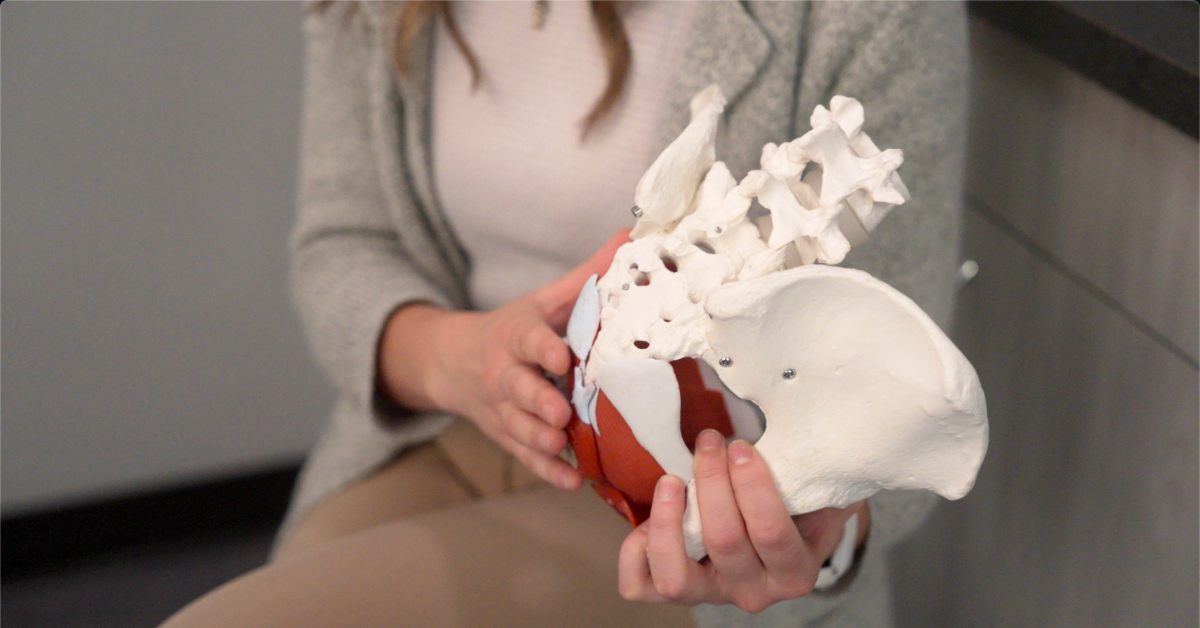

- Your medical professional or nurse will collaborate with you to treat your urinary incontinence or refer you to a professional if you require various treatment.Hormone modifications can deteriorate these muscular tissues and degeneration connective cells that sustain them with time.Integrating medical interventions with way of living alterations assists support total urological wellness.Throughout times of hormonal variation, such as pregnancy or the menstrual cycle, progesterone modifications may modify bladder sensitivity and add to feelings of seriousness or pressure.
If you are experiencing urinary incontinence signs and symptoms throughout menopause, do not hesitate to discuss your concerns with us. We know it's not always simple to discuss pee leakages, yet there are therapy options available to help you reclaim control and appreciate a better lifestyle during this transformative phase. Additionally, the majority of studies fail to account for the lasting influence of numerous therapies on UI such as pelvic floor workouts, medications, or medical treatments. The hormonal influence on UI continues to be controversial, and much more controlled studies are required to completely recognize exactly how hormonal agent replacement treatments, or absence thereof, impact UI growth in postmenopausal women.
Way Of Living Adjustments
Due to the fact that pelvic flooring weak point normally takes place as you age, ladies experiencing perimenopause are most likely to leak urine throughout this moment. Pelvic floor exercises, generally called Kegel workouts, help enhance the muscle mass that sustain the bladder and urethra. Some ladies might additionally gain from collaborating with a pelvic floor physical therapist. Doing so can help you far better target the ideal muscles and develop a much more targeted program for your needs. This involuntary loss of pee can happen when pressure is positioned on the bladder and urethra, like when you laugh, cough, sneeze, or workout.Your pelvic floor muscles support your womb, bladder, tiny intestinal tract, and anus. The expert may be a urologist, that deals with urinary problems in both men and women, or a urogynecologist, that has unique training in the female urinary system. You could also need to see a pelvic floor expert, a sort of physiotherapist, who will deal with you to strengthen your pelvic floor muscular tissues that support the urinary tract. Although females can experience urinary system incontinence (UI) throughout their life, the frequency of UI often tends to occur more frequently when you grow older. This loss of bladder control comes from hormonal modifications that influence muscle mass stamina in your pelvic area. Females who are expecting, giving birth, or undergoing menopause are all most likely to have urinary incontinence.Often you can feel a consistent impulse to pee known as over active bladder. As the bladder stretches to hold more pee, it sends us signals so we can begin heading to the shower room. With just-in-case peeing, we educate our body to react to bladder urges when it's not rather at ability. That means it'll send signals that we need to go also if our bladders aren't remotely full!
When the bladder muscular tissues tighten, urine is dislodged of your bladder through a tube called the urethra. At the exact same time, sphincter muscular tissues around the urethra loosen up to let the urine out of your body. Urinary urinary incontinence is the loss of bladder control, or leaking pee. You can collaborate with a therapist to much better recognize exactly how your body works. In psychophysiological feedback, a wire is connected to an electric spot over your bladder and urethral muscle mass.This, consequently, makes the leakage of pee most likely throughout tasks like coughing, sneezing, chuckling, or working out. Still, without some type of intervention-- whether that's way of living changes, pelvic floor treatment, or medical support-- urinary incontinence commonly doesn't enhance its own. With the best assistance, you can improve signs and symptoms and protect your long-lasting bladder health and wellness. You can do this by increasing the quantity your bladder can hold and the time in between brows through to pass urine. To train your bladder, you need to repetitively acquire pelvic floor muscle mass (Kegel) at the time of need to pee. While incontinence is a common problem, it's not one that ought to be taken into consideration typical.
This reduction in estrogen creates many of the menopausal signs you've heard about, but it additionally triggers the vaginal tissues to end up being less flexible and thin and can deteriorate your pelvic flooring muscular tissues. Research study suggests that a substantial portion of postmenopausal women experience some form of UI. According to studies, prevalence prices can range from 25% to over 50% in this group, emphasizing the need for enhanced understanding and understanding of the issue.